| Getting your Trinity Audio player ready... |
Remember when you rigorously studied in school, stayed up late, took tough tests, and anxiously waited for your results?
Well, prepare for a little déjà vu because you’ll experience a similar mix of anticipation and anxiety when your website goes live. You’ll be eager to learn how well your website performs, how many people visit it, and whether it meets your objectives.
In this blog, we will discover what website traffic is, why it is important to keep a check on your progress, and what are the ways to do so.
Understanding Website Traffic
Imagine you’re excited about attending a seminar. However, you must finish the registration process before attending it. Why do you need to do this? This is because the seminar’s organizers want to learn more about those attending.
They want to know how many people are coming, who these individuals are, and how many find the seminar valuable or relevant. This information is important since it helps the organizers plan and organize similar events in the future based on the level of interest and participation they observe.
Website traffic is similar. Website traffic is the number of visitors or users who access a website over a specified period, typically measured in days, weeks, or months. It is a crucial metric for website owners and digital marketers, providing insights into a website’s popularity, reach, and effectiveness.
Website traffic can be categorized into various sources, including organic (from search engines), direct (users who directly type in the website’s URL), referral (traffic from other websites or links), and social (from social media platforms).
Analyzing website traffic helps website owners understand their target audience and target market, track trends, and make informed decisions to improve the user experience and achieve their online goals, whether to increase sales, engagement, or brand visibility.
Also Read: Does Buying Traffic To Your Website Work?
Types of Website Traffic
When you analyze how much traffic a website gets, it is important to understand where that traffic is coming from. Not all visitors arrive the same way, and each traffic source plays a different role in your website’s growth and performance.
Let’s break down the most important types of website traffic in a simple and practical way.
- Organic Traffic
Organic traffic refers to visitors who find your website through search engines like Google or Bing without any paid promotion. This usually happens when your website ranks for relevant keywords.
For example, if someone searches for a topic and clicks on your website in the search results, that visit counts as organic traffic.
This type of traffic is highly valuable because it brings users who are actively searching for information, products, or services. Strong SEO practices, such as keyword optimization, high-quality content, and fast-loading pages, help improve organic traffic over time.
- Direct Traffic
Direct traffic includes visitors who come to your website by typing your URL directly into their browser or using a saved bookmark. This usually indicates strong brand awareness or repeat visitors who already know about your website.
For example, if someone types your domain name directly or clicks on a bookmarked page, it is recorded as direct traffic.
High direct traffic often means your audience trusts your brand and returns to your website regularly.
- Referral Traffic
Referral traffic comes from other websites that link to your site. When a user clicks on a link from another website and lands on your page, it is counted as referral traffic.
For instance, if your blog is mentioned in an article on another site and users click that link, those visits are referral traffic.
This type of traffic helps build authority and credibility, especially when the links come from trusted and relevant websites. It also supports your SEO through quality backlinks.
- Paid Traffic
Paid traffic refers to visitors who come to your website through paid advertisements. This includes ads on search engines, display networks, and other platforms. For example, if you run Google Ads or paid campaigns and users click on your ad, that traffic is categorized as paid.
Paid traffic is useful for quick results, promotions, and targeting specific audiences. However, it requires a budget and ongoing optimization to maintain performance.
- Social Traffic
Social traffic comes from social media platforms such as Facebook, Instagram, LinkedIn, and others. When users click a link shared in a post, story, or advertisement, that click is counted as social traffic.
This traffic source is ideal for increasing brand awareness, engagement, and content visibility. It also helps drive users to your website through creative and shareable content.
- AI Traffic
AI traffic is a newer and growing source of website visitors. It includes users who discover your website via AI platforms such as ChatGPT, Gemini, or Perplexity.
These platforms often recommend websites as answers to user queries. When users click on those recommendations and visit your site, that traffic is considered AI-driven. To benefit from this type of traffic, your content should be clear, informative, and structured so AI tools can easily understand and reference it.
- Email Traffic
Email traffic comes from users who visit your website through email campaigns. This includes newsletters, promotional emails, or automated sequences.
For example, when a user clicks a link in your email and lands on your website, that counts as email traffic.
This traffic source is highly targeted because it reaches people who have already shown interest in your business. It is effective for nurturing leads, promoting offers, and driving repeat visits.
Also Read: How to Make an SEO-Friendly Website?
Importance of website traffic for businesses and website owners
In this digital age, it is important to have a website for your business. It is like keeping up with social media trends, moving with the crowd, and being part of it.
If you want your business to thrive in both the retail and digital worlds, you need to take appropriate measures. It is equally important to monitor progress, and one way to do so is by tracking website traffic.
Here are some of the reasons why website traffic is important for businesses:
- Brand Exposure: Website traffic is essential to increase your website and brand visibility. You raise brand awareness among potential customers and increase the number of clicks with each visitor.
- Lead Generation: Website traffic is a valuable source of leads. Anyone visiting your website may become a potential customer of your products and services. You can grab their attention through forms and calls to action.
- Sales and Revenue: Website traffic directly impacts sales for eCommerce websites and businesses with online stores. More visitors mean more potential customers, conversions, and revenue.
- Content: Monitoring website traffic helps you gauge your content’s performance. You can see which pages are most popular and which topics resonate with your audience, and use this data to refine your content strategy.
- SEO and Search Rankings: Search engines often consider website traffic when determining rankings. High traffic signals to search engines that your site is valuable and relevant, improving your position in search results.
- User Engagement: Analyzing traffic metrics such as bounce rate, time on site, and pages per visit can provide insights into how engaged your audience is with your content. This information can help you improve user experience and engagement.
Website traffic is not just about numbers; it’s also about the potential for growth, engagement, and success in the digital age. Making informed decisions and achieving your digital objectives requires constant monitoring and an understanding of website traffic.
Also Read: Website Optimization Tips To Increase Website Performance
What Counts as Good Traffic?
When people talk about website traffic, the focus is often on numbers. More visitors usually sounds better. But in reality, not all traffic is valuable. What truly matters is the quality of traffic and how it contributes to your goals.
Let’s break down what actually defines good traffic.
• Engagement Rate Vs Bounce Rate
Getting visitors to your website is one thing, but what they do after landing matters more.
Engagement rate shows how users interact with your content. Are they clicking, scrolling, or exploring multiple pages? A high engagement rate usually means your content is relevant and useful.
On the other hand, bounce rate tells you how many users leave your website without taking any action. A high bounce rate can indicate that your page did not meet expectations, loaded slowly, or lacked clear direction.
Good traffic is not just about visits. It is about keeping users interested and encouraging them to stay longer.
• Conversion-Focused Traffic
The ultimate goal of most websites is conversion. This could mean making a purchase, filling out a form, signing up, or contacting your business.
Traffic that converts is far more valuable than traffic that simply increases your visitor count. For example, 100 visitors who take action are more valuable than 1000 visitors who leave without engaging.
Good traffic aligns with your business goals and moves users closer to taking meaningful actions.
• Returning Users Vs New Users
New users help you expand your reach and bring fresh opportunities. They show that your marketing and SEO efforts are working.
Returning users, however, indicate trust and satisfaction. When people come back to your website, it means they found value the first time.
A healthy balance of both is ideal. New users help you grow, while returning users help you build loyalty and long-term success.
• Traffic Quality Vs Vanity Metrics
High traffic numbers can look impressive, but they do not always reflect real performance. These are often called vanity metrics because they look good on reports but do not drive results.
Traffic quality is what truly matters. It focuses on whether your visitors are relevant to your business, interested in your offerings, and likely to convert.
For example, traffic coming from the right keywords, targeted audiences, or relevant locations is far more valuable than random visitors with no intent.
Website traffic is not just about numbers but also the potential for growth, engagement, and success in the digital age. Making informed decisions and achieving your digital objectives requires constant monitoring and knowledge of website traffic.
Also Read: Difference Between On-page and Off-page SEO?
Can You See Exact Website Traffic?
This is one of the most common questions people ask when analyzing a website, especially in 2026 when competition is higher, and data matters more than ever.
The honest answer is simple: you cannot see the exact website traffic of any site unless you own it or have direct access to its analytics.
Website owners use tools like Google Analytics or Google Search Console to track real traffic data. These tools provide accurate numbers such as total visitors, page views, user behavior, and traffic sources. However, this data is private and not publicly visible.
So what about the traffic numbers you see on different SEO tools?
Platforms like Ahrefs, SEMrush, and SimilarWeb give traffic estimates, not exact figures. They use algorithms, keyword rankings, click-through rates, and historical data to predict how much traffic a website might be getting.
These estimates can be useful for comparison and research, but they are never 100 percent accurate. In some cases, they can be close. In others, they can be significantly off, especially for smaller or newer websites.
This is important to understand because many users assume these numbers are exact and make decisions based on them. In reality, they should be treated as directional insights rather than precise data.
Another key factor to consider is that traffic varies across multiple factors, including seasonality, content updates, search trends, and website performance. Even the most advanced tools cannot capture these changes in real time with complete accuracy.
If your goal is to analyze competitors, these tools are still valuable. They help you understand trends, top-performing pages, and keyword opportunities. But if you want exact data, the only reliable way is through direct access to the website’s analytics.
Ways to Find Website Traffic
Now that you’re familiar with the term website traffic and its importance for businesses, here is how to find website traffic for your business through Google Analytics.

Monitoring Website Traffic for Your Business
1. Google Analytics
➔ Setup Google Analytics
The first step is to create a Google Analytics account.
After creating an account, you must create a new website property and generate a tracking code. Follow the on-screen instructions to do this.
➔ Add Tracking Code to your Website & Data Collection
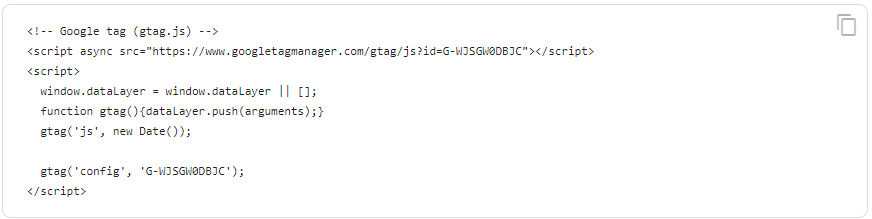
You’ll receive a tracking code. Place this code into the HTML of your website.
It allows Google Analytics to collect data from your website. The process of data collection usually takes about 1-2 days.
➔ Website Traffic Statistics
Once the data is collected, log into your Google Analytics account and click on the property in the menu section on the left side.
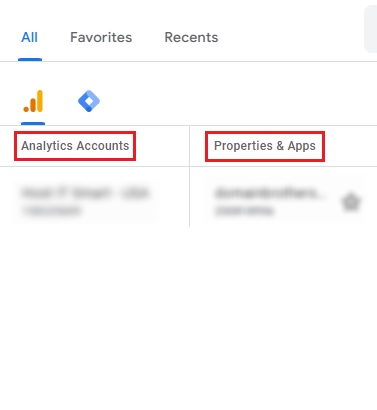
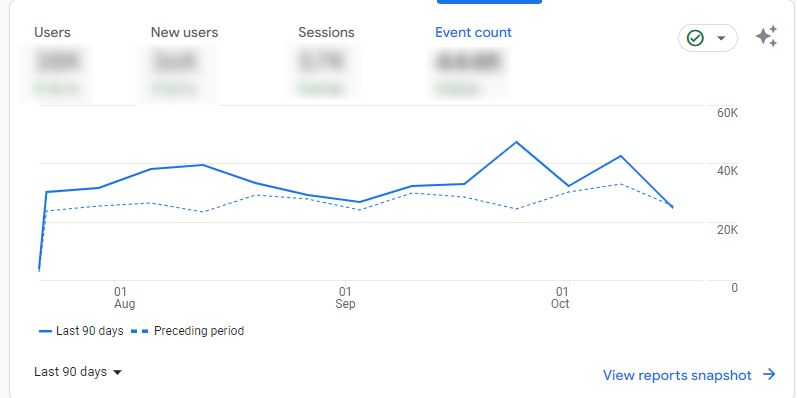
➔ From the property dashboard, you can view your website’s traffic reports.
➔ Traffic Reports
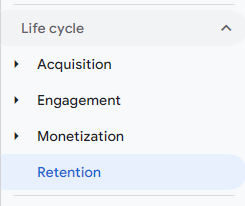
Some commonly used reports are Real-time, Acquisition, Engagement and Retention.
➔ Customize and Set Up Goals
You can customize your reports and set goals to track specific actions directly impacting your business, such as eCommerce transactions, email/newsletter sign-ups, etc.
Regularly Monitor and Analyze Data
Regularly monitoring your website traffic helps you identify current trends, patterns, and areas for improvement. This can help you make better decisions based on the data and improve your website’s performance.
Once you start using Google Analytics for website traffic and track your progress, there’s no going back. But you shouldn’t limit your attention to just that. In any industry, you are bound to face competition, and it is said that you keep your friends close and your enemies closer.
Following this saying, it is essential to monitor your rivals’ strategies. Now that you have access to their data, you may evaluate it and modify your strategy as needed.
Also Read: How Many Keywords Can A Website Have For SEO?
2. Google Analytics
Google Search Console is one of the most essential tools for monitoring your website’s performance in search results. It gives you direct insights into how your site appears on Google and how users interact with it.
With this tool, you can:
- Track the keywords that bring users to your site
- Monitor clicks, impressions, and average position in search results
- Identify pages that are performing well and those that need improvement
- Detect indexing issues and fix them quickly
- Understand how mobile-friendly your website is
Google Search Console is especially useful for improving your SEO strategy. It helps you see which content is driving traffic and where you have opportunities to rank higher.
2. Microsoft Clarity
Microsoft Clarity focuses more on user behavior. While tools like Google Search Console tell you how users find your site, Clarity shows you what they do once they arrive.
With Microsoft Clarity, you can:
- View session recordings to see real user interactions
- Analyze heatmaps to understand where users click, scroll, and spend time
- Identify areas where users drop off or lose interest
- Discover usability issues that affect user experience
This tool helps you see your website from the user’s perspective. It becomes easier to spot problems such as confusing navigation, slow-loading sections, or content that fails to engage visitors.
How do you do that?
Here are a few tools you can use to monitor and collect information about your competitors.
Monitoring Website Traffic for Competitor’s Business
Understanding your own website traffic is important, but knowing how your competitors perform can give you a real advantage. It helps you identify what is working in your industry, where opportunities exist, and how you can improve your strategy.
Today, monitoring competitor traffic is no longer guesswork. With the help of SEO tools, AI-powered tools, and data-driven insights, you can get a clear picture of how other businesses attract, engage, and convert their visitors
1. SEMrush
SEMrush is a digital marketing and SEO (Search Engine Optimization) platform that provides data to help website owners and digital marketers optimize their online presence, improve their search engine rankings, and monitor competitors.
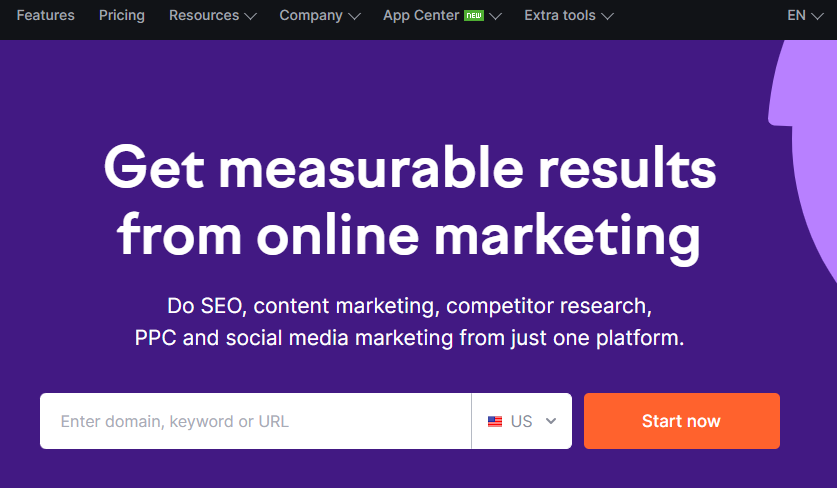
One of the features offered by SEMrush is the ability to check website traffic, among other things.
How to Check Competitor’s Website Traffic?
To check the website traffic for your competitors, follow these steps:
➔ Sign-up: The first step is to sign up for a SEMrush account. They provide a free trial with limited access and subscription options for more in-depth research.
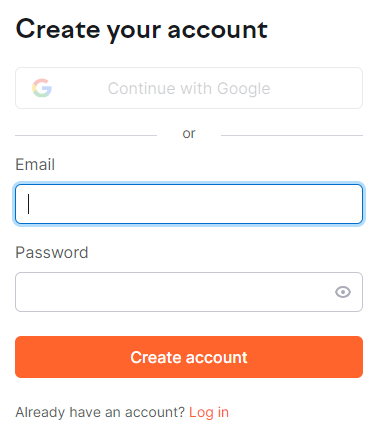
➔ Enter the domain: After you’ve successfully logged in, you’ll see a dashboard and a search bar. You can enter the URL/domain of the website for which you want to check traffic.

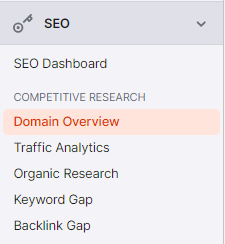
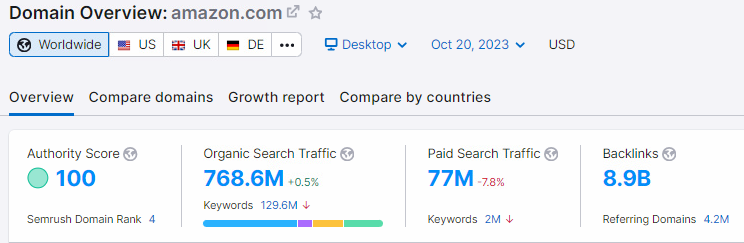
➔ Traffic Analytics: SEMrush provides a summary of the traffic for the specific website that you’re looking for. You have to just go to “Domain Overview” & enter the domain you want to check traffic for. The metrics included here are:
1. Organic Search Traffic: The number of visitors who visit a website organically through search engines like Google.
2. Paid Search Traffic: The number of people who visit a website as a result of paid advertising campaigns.
3. Backlinks: The number of backlinks pointing to the website.
4. Keyword Rankings: Information about the keywords for which the website ranks in search engines.
5. Traffic Sources: A breakdown of the sources of traffic, such as organic, direct, referral, and social.
Why SEMrush?
As one of the leading tools, it offers numerous benefits for checking website traffic, including insights into organic and paid search traffic, helping users assess their online visibility and the success of their SEO and advertising efforts. The competition analysis feature of SEMrush also enables customers to compare their performance with that of rivals and identify areas for improvement.
Additionally, it offers data on specific keywords driving traffic to a site, helping refine content and SEO strategies. Due to its user-friendly design and detailed analysis, the tool is a valuable asset for digital marketers, website owners, and companies looking to optimize their online presence and stay ahead in the digital world.
➔ Analyze Traffic Trends: SEMrush also offers historical data you can use to track changes in traffic patterns. You can see changes in traffic, rankings, and other metrics.
➔ Comparison with Competitors: SEMrush enables you to assess your competitors’ performance and website traffic. This helps you identify areas for improvement as well as competitive advantages.
➔ Access Detailed Reports: You can export detailed reports and insights for further evaluation or sharing with your clients or team.
➔ Additional Information: For SEO and digital marketing, services such as keyword research, site audits, and content analysis can help you increase website traffic and improve its effectiveness.
Also Read: Top Industries That Can Benefit From SEO In 2023
2. Ahrefs
Ahrefs is one of the most popular and comprehensive toolsets that offers a wide range of features to help website owners and digital marketers improve their online presence.

Analyzing website traffic and backlink data is one of its primary features, of its primary features and can be essential for understanding and improving a website’s performance in search engines like Google.
Here’s how to use Ahrefs to check website traffic:
➔ Registration: Create an account on the Ahrefs website to register. The company has a paid subscription model as one of its strategies. Choose the pricing strategy that best suits your company’s needs from the variety it offers. It also offers a free plan with a few features and limited services.
➔ Enter the Website URL: After logging in to your Ahrefs account, enter the website URL on the search bar visible on the dashboard.
You will receive an overview of the performance of the website once you enter the URL of your choice.
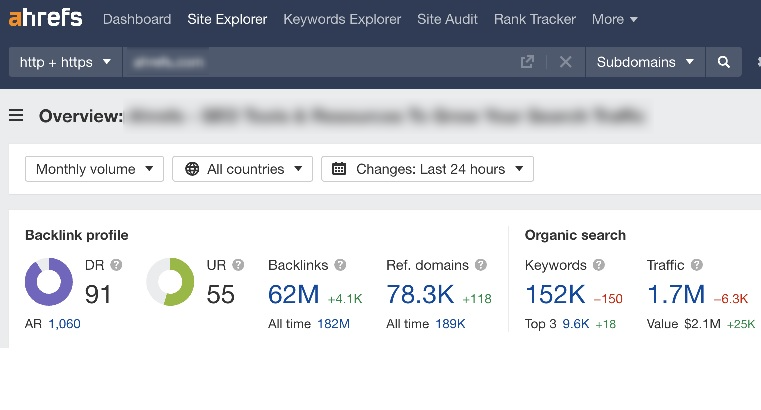
Here, the metrics are:
- Domain Rating: This metric evaluates a website’s overall authority based on its backlink profile.
- URL Rating: This metric is similar to DR, but it measures the authority of a specific URL.
- Organic Search Traffic: It provides an estimate of the website’s monthly organic search traffic.
- Backlinks: Details on the number of referring domains and backlinks leading to the website.
- Keywords: Number of keywords that the website is listed for in search results.
➢ Detailed Traffic Analysis: You can access Ahrefs’ Site Explorer or Site Audit sections to learn more about a website’s traffic. Enter the website’s URL in the Site Explorer to gain access to information on organic search traffic, keywords, referring domains, and much more.
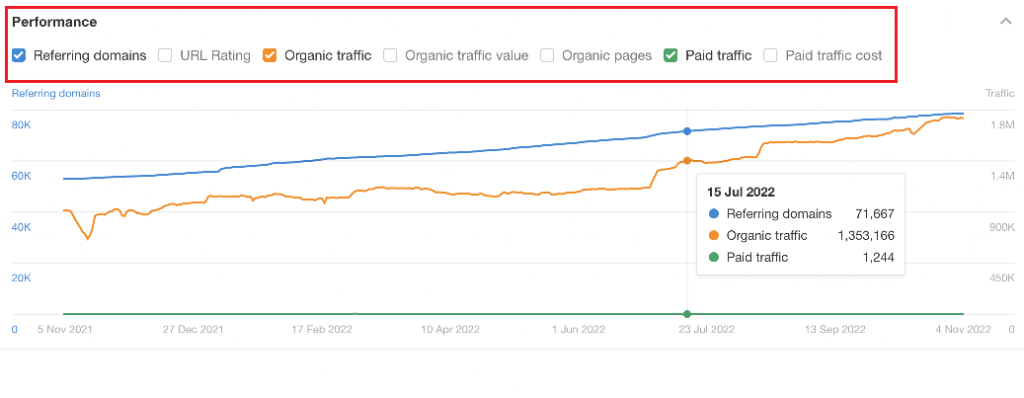
➢ Traffic Overview: Here, you can see a graph of the website’s estimated monthly organic search traffic over time.
➢ Keyword Analysis: Ahref lets you analyze keywords that a website uses to rank at the top of the search engines. You can examine each keyword’s estimated traffic generation, ranking position, and keyword search volume here.
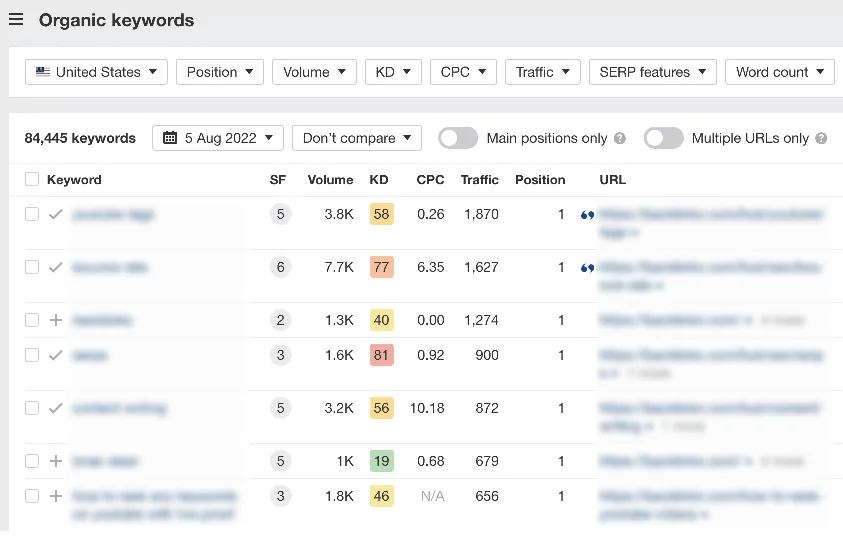
➢ Backlink Analysis: Ahrefs offers extensive analysis tools that let you see the websites linking to the site you’re analyzing.
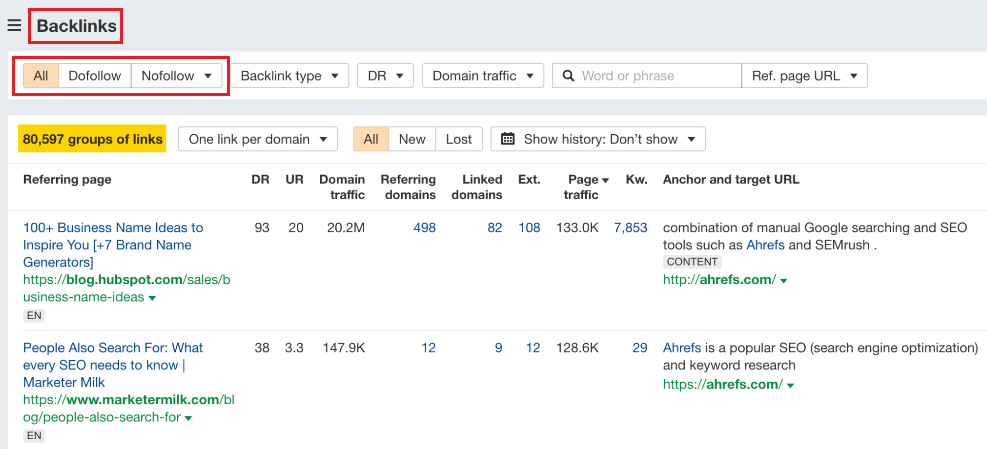
➢ Competitor Analysis: You can compare your website’s traffic, keywords, and backlink profiles with your competitors.
Why Ahrefs?
Ahrefs is one of the best SEO tools with several advantages for analyzing website traffic. To begin with, it offers comprehensive, up-to-date data on a website’s organic search traffic, helping users understand which keywords drive visits and how effective their SEO campaigns are.
Ahrefs also provides information on a website’s backlink profile, helping users identify high-quality linking domains and potential areas for improvement. Its site audit feature can identify technical SEO issues affecting traffic.
Additionally, Ahrefs provides competitive analysis, allowing customers to compare their performance against competitors and identify untapped potential. Overall, Ahrefs offers entrepreneurs and digital marketers valuable insights to enhance their online presence and attract more relevant traffic.
Also Read: Can I Blog To Improve The SEO Of Website?
3. SE Ranking
SE Ranking is another SEO tool that enables you to perform key tasks, including keyword research, competitor analysis, rank tracking, website audits, backlink checks, and more.
Anyone who operates a business, including SEO experts, business owners, entrepreneurs, and agencies, can benefit from this tool.
How to use SE Ranking?
SE Ranking is an easy tool to set up and utilize. Follow these steps to get insights on website traffic:
➔ You have to start by logging into your SE Ranking account. If you don’t have an account, you will need to sign up first.
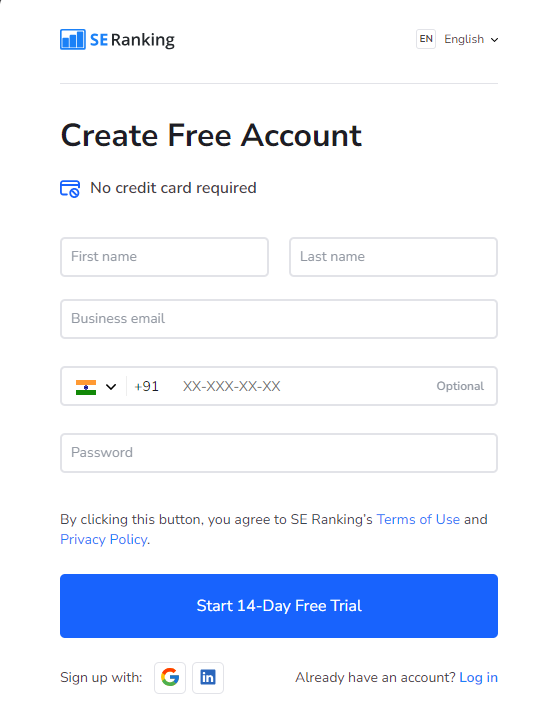
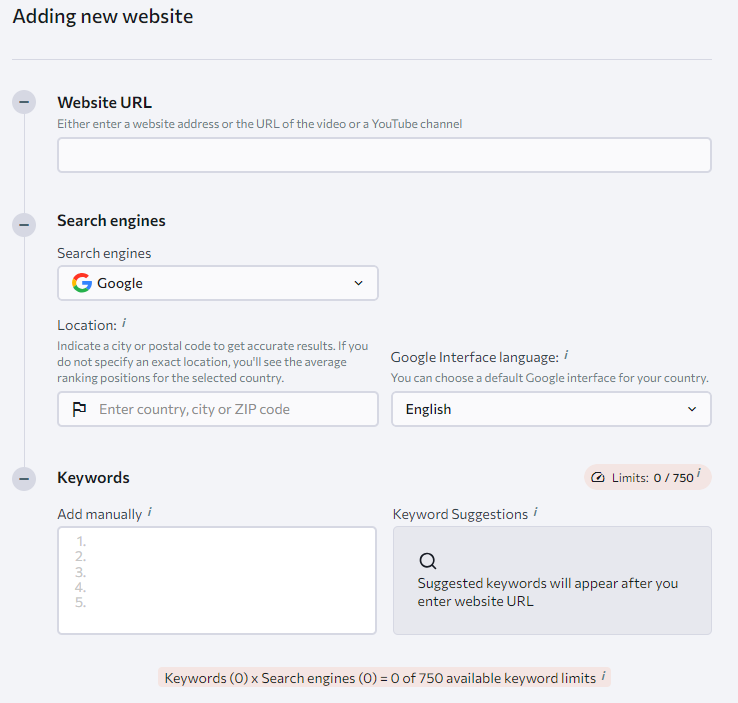
➔ If you’re using this tool for the first time, you must add a project (a website URL) that you want to track.

➔ You have to add some details like your website’s URL, Search Engines your want to track for, Location, & your target keywords.
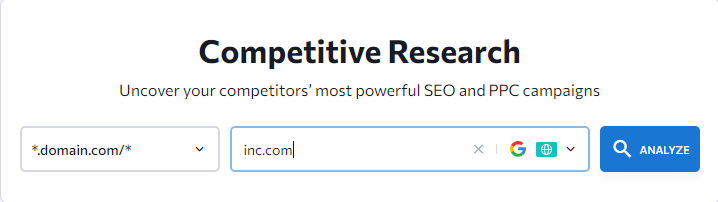
➔ Once this gets done, navigate to the “Competitive Research”

➔ In that competitor analysis section, you can enter the URL of the competitor’s website you want to analyze.
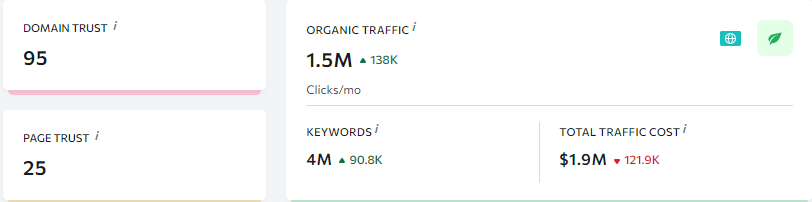
➔ This will provide you with various metrics related to your competitor’s website traffic such as the number of visitors, organic search traffic, paid search traffic, backlinks, and much more.
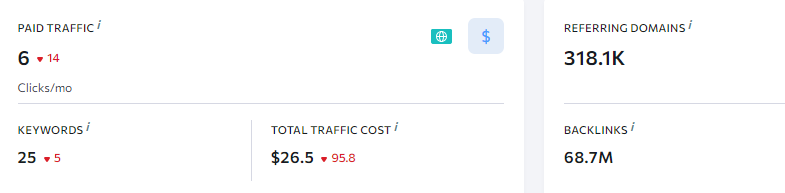
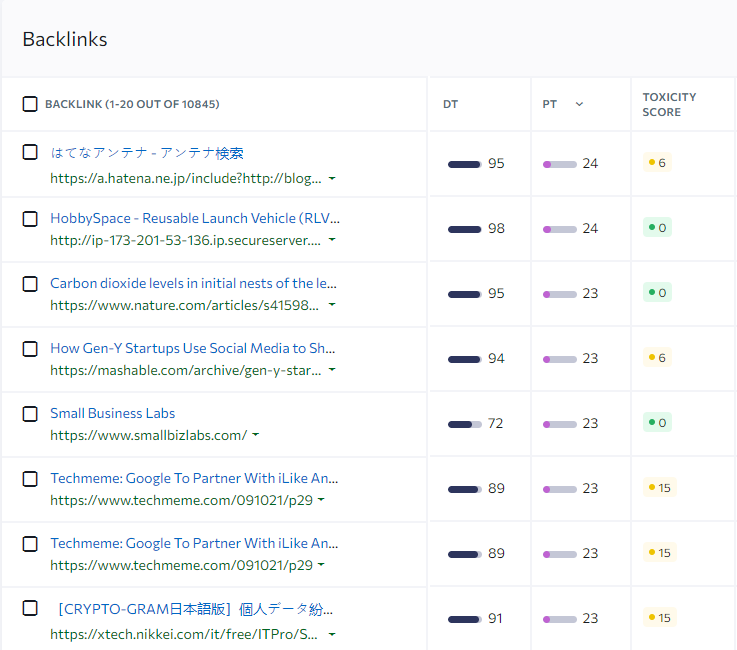
➔ Use the backlink checker to find rival backlink profiles and leverage that information to enhance your link-building strategy.
Why SE Rankings?
There are many benefits of using SE Ranking as a tool to check your competitors’ website traffic. It provides a 14-day free trial on the initial basis to experience and then make a decision to a paid plan.
You can use this tool to gather the right keywords, competitor website keyword ranking data, backlink checker for quickly finding and analyzing a competitor’s domain link profile, website audits, detailed SEO software progress reports, and many others.
Also Read: 15 Best SEO Audit Tools For Your Website (Free+Paid)
4. Serpstat
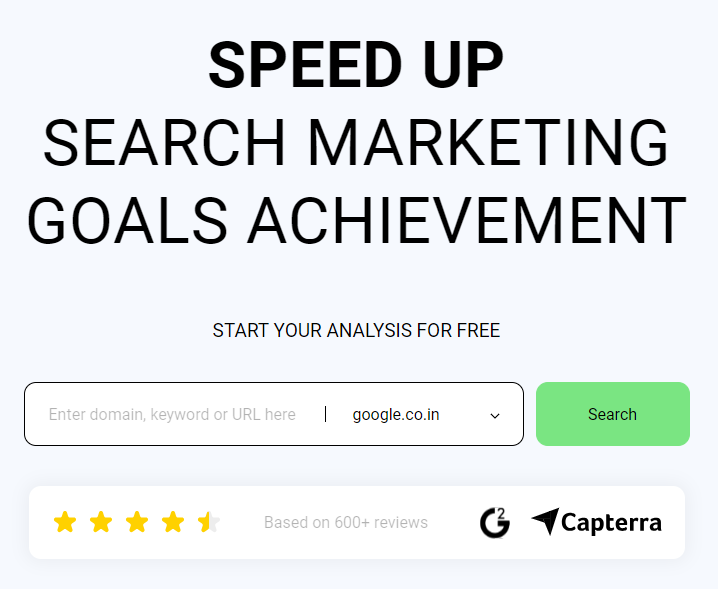
Serpstat is a growth hacking tool for SEO and PPC. Along with this, it is also the best for content marketing. It supports you with keyword research, backlink analysis, and domain and website analysis. Any company or marketer, from small to medium-sized businesses or agencies, can profit from adopting this technology to accelerate their growth.
How to use Serpstat?
➔ To access Serpstat, you must have the login information. Log in to the tool after creating an account to access the metrics.
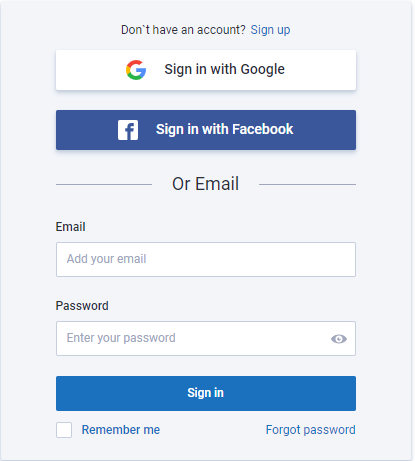
➔ The homepage consists of a search bar. Enter any website URL that you want to see the traffic for.
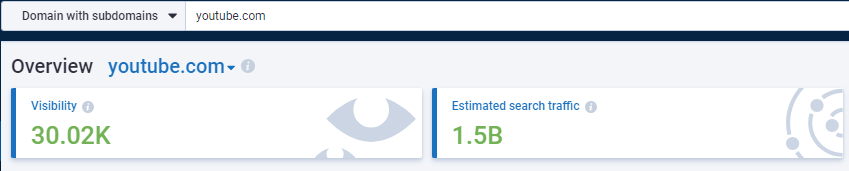
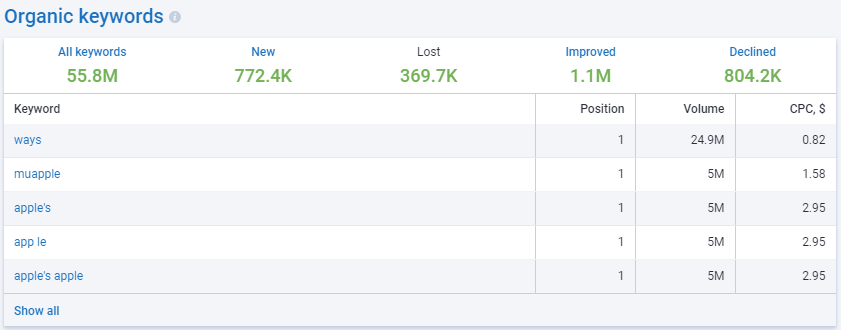
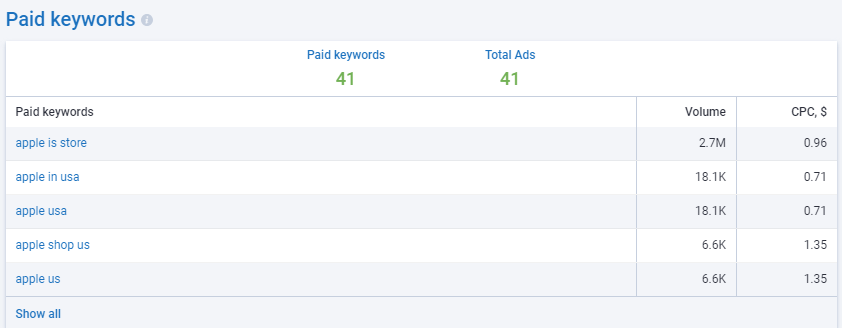
➔ Use the keyword analysis metric to explore a wide range of trending SEO and paid keywords that are used by your competitors to rank higher. In addition, it evaluates how websites appear in the search results for the top-performing keywords. A higher level of visibility implies a greater volume of traffic.
Why Serpstat?
Serpstat offers several benefits, including multiple options to analyze your competitors’ website traffic.
Here is a list of these attributes:
With domain analysis, you may get a quick snapshot of a website’s search visibility, monthly search traffic, and top keywords.
Backlink analysis is one of the most popular features on Serpstat. You’ll receive information on the top referring URLs, new prospects for link building, lost and gained backlinks, types of backlinks, the best-performing anchor text, possibly risky backlinks, etc. You can use a rank tracker to keep track of changes to your search engine result page ranks.
There are additional features you can use beyond those mentioned above, depending on your business’s requirements. It allows you to compare your website traffic to your competitors, allowing you to make an informed decision.
Also Read: Click-Through Rate (CTR) Vs Conversion Rate: All You Need To Know
5. Ubersuggest
One of the digital marketing experts, Niel Patel, created a tool called Ubersuggest that helps website owners, marketers, and SEO professionals improve their performance in search engines like Google. This is an easy-to-use tool with a free plan for those looking for a trial version.
How to use Ubersuggest?
➔ You must first sign up for an account on Ubersuggest to check your competitor’s website traffic.
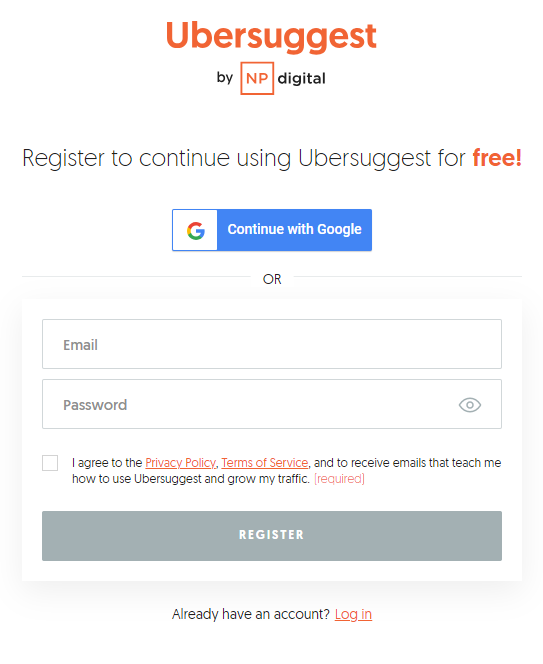
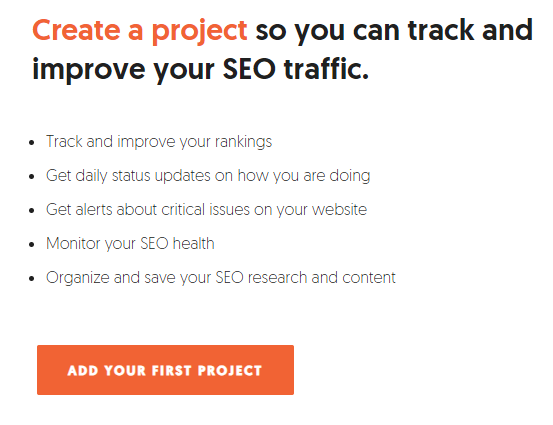
➔ After signing up, It will begin with your website tracking procedure as this tool allows you to set up your project. You have to enter your website details like your website’s URL, target language, target country, target keywords & competitors.
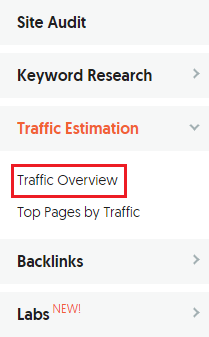
➔ Once it’s set up, you have to check the “Traffic Overview” section to monitor your competitor’s traffic.
➔ Enter the competitor’s website you want to track in the search box

➔ It will provideyou with information on an overview of your competitor’s website, including their estimated monthly organic search traffic, domain authority, backlinks, and more.

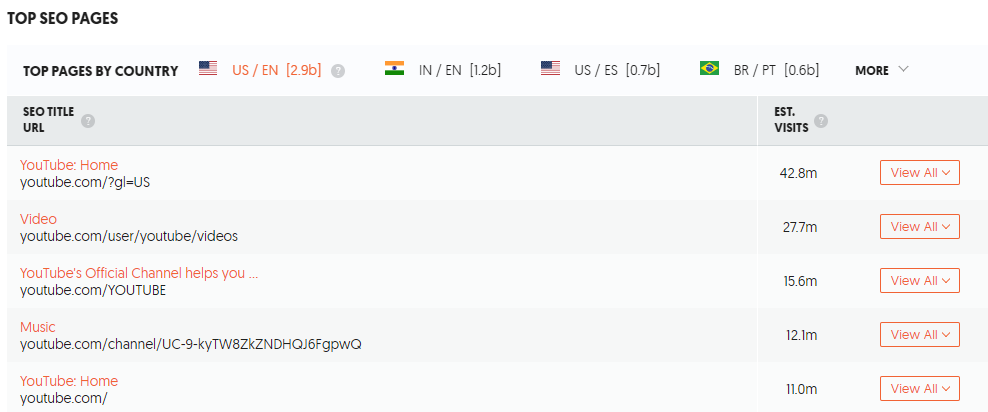
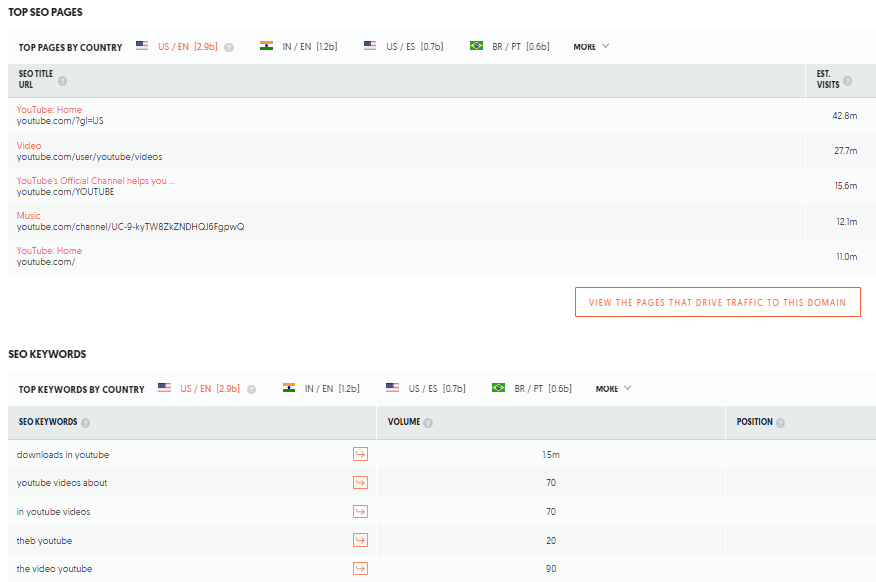
You have to scroll down to check more details, such as top-performing pages, organic keywords, and the number of backlinks. You can also explore paid advertising data if available.
Why Ubersuggest?
Ubersuggest is a user-user-friendly and affordable tool that offers in-depth analysis of its extension design, enabling you to access valuable data from anywhere in the world.
With this tool, you can easily organize your keyword research, do a more thorough competitor analysis, and examine backlink information and traffic links. Once you create a project, Ubersuggest will automatically crawl the website and notify you of any new SEO issues.
Also Read: What Should You Consider When Developing Website Content?
6. Similarweb
Similarweb offers a broad spectrum of statistical data solutions like competitive market research, keyword optimization, competitor analysis, ad research, and many more.
How to use Similarweb?
➔ Firstly, You need to visit their website & enter your competitor’s website URL.

➔ In their free plan version, you will get the website’s monthly traffic, engagement, and keyword search traffic, and also be able to find out the major marketing channels that drive traffic on their website.

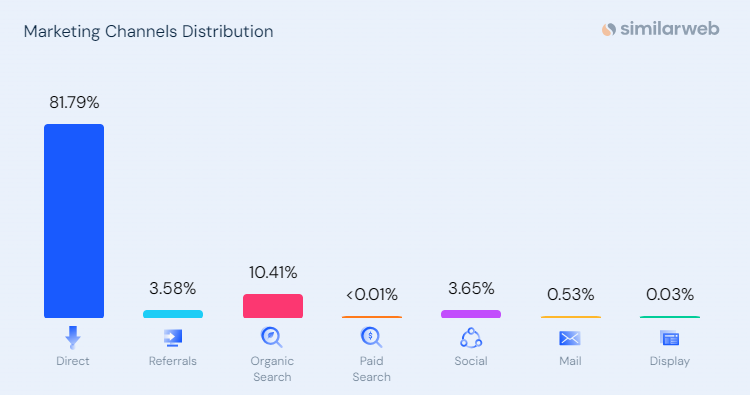
Why Similarweb?
Similar Web only focuses on website traffic analysis since we have already identified other tools that offer insights into digital marketing as a whole. You can find the worldwide, national, and category rank of website traffic by searching for a competitor’s website traffic insight.
Average visit time, pages per visit, and top traffic sources are just a few of the basic interaction statistics generated.
A complete study of the best-performing paid and organic keywords on the website.You can find other audiences on similar websites that are engaged and frequently visit your website
Both free and premium programs are available; select the one that best meets your needs. Although the free plan only provides 5 results per metric, you can rely on other subscription plans for more.
Also Read: How To Organize The Content Of Your Website?
AI-Powered Traffic & Visibility Tools
SEO is no longer limited to keywords and backlinks. It is now evolving toward AI-driven visibility. Modern tools analyze search patterns, user behavior, and content performance to estimate a website’s visibility across search engines.
Tools like SEMrush and Ahrefs use advanced algorithms to estimate traffic, identify top-performing pages, and uncover keyword opportunities. These platforms also provide insights into competitor rankings, backlink profiles, and content strategies.
This shift toward AI visibility tracking is important because it focuses not just on rankings, but on how often and where your brand appears in search results, including emerging AI-driven search experiences.
Key Metrics to Analyze Website Traffic
When evaluating a competitor’s website, it is essential to focus on the right metrics. These indicators help you understand both the quantity and quality of their traffic.
- Total visits
Total visits give you an overview of how much traffic a website receives over a specific period.
- Unique visitors
Unique visitors show how many individual users are visiting, helping you understand audience reach.
- Pages per session
Pages per session indicate how engaging the website content is. A higher number suggests users are exploring multiple pages.
- Bounce rate
Bounce rate reflects the percentage of visitors who leave without interacting further, which can signal content or usability issues.
- Avg session duration
Average session duration shows how long users stay on the site, giving insight into content relevance and user experience.
- Traffic sources
Traffic sources reveal where visitors are coming from, such as organic search, direct visits, referrals, or social media.
- Conversion rate
Conversion rate is one of the most critical metrics. It shows how effectively a website turns visitors into customers or leads.
Limitations of Traffic Checker Tools
While competitor analysis tools are powerful, it is important to understand their limitations. The data you see is not exact. It is based on estimations.
Most tools rely on keyword rankings combined with click-through rate models to estimate traffic. This means the numbers can vary significantly between platforms.
Since you do not have direct access to your competitor’s analytics, the data should always be treated as directional rather than precise. It is best used to identify trends, compare performance over time, and assess relative market positioning.
Free vs Paid Traffic Tools: Which Should You Choose?
Choosing between free and paid tools depends on your goals and the level of insight you need.
Free tools like Google Analytics 4 and Google Search Console are essential for tracking your own website performance. They provide accurate data directly from your site, including user behavior, traffic sources, and search performance.
Paid tools such as SEMrush and Ahrefs go a step further by offering competitor analysis, keyword tracking, and backlink insights.
Upgrading to a paid tool makes sense when you want deeper competitive insights, advanced reporting, and scalable SEO strategies.
From an ROI perspective, these tools can help you uncover opportunities that directly impact traffic and revenue growth.
Pro Tips to Increase Website Traffic
Analyzing competitors is only useful if you apply those insights to your own strategy.
Start by focusing on SEO and high-quality content. Create content that answers real user queries and provides value. Improving the page speed of a website is equally important, as faster websites rank better and offer a better user experience.
Target long-tail keywords to capture more specific search intent and reduce competition. Building high-quality backlinks can improve your domain authority and increase visibility in search results.
Finally, optimize your content for AI-driven search. This includes writing clear, structured, and informative content that is easy for both users and search engines to understand.
By combining competitor insights with a strong hosting foundation and SEO strategy, you can steadily increase your website traffic and stay ahead in a competitive digital landscape.
Conclusion
Just like when you were in school and took necessary measures to improve your performance to score better, it is essential for business owners and digital marketers to analyze the website traffic of their own and competitors’ websites.
Why? It provides insights into various factors, including keyword analysis, detailed SEO software progress reports, competitor domain link analysis, website audits, and other reports that can inform future decisions and improve business strategies.
A website’s traffic, which comes from various sources such as organic, direct, referral, and social, provides significant insight into its popularity, success, and accessibility.
Websites can help businesses attract more visitors by reaching a wider audience, generating potential leads, boosting sales and revenue, enhancing user engagement, and optimizing their content strategies. SEMrush, Ahrefs, SE Rankings, Serpstat, Ubersuggest, and Similar Web are just a few tools for evaluating and analyzing website traffic.
These tools offer useful information to enhance online presence and remain competitive in the digital environment. Using internet traffic statistics to improve a website’s performance and achieve long-term success requires regular monitoring, ethical data handling, and data-driven improvements.
Frequently Asked Questions (FAQs)
Any website traffic estimation tool cannot provide a 100% accurate result. The accuracy can vary depending on a number of factors, including the techniques they use, the data sources they employ, and the particular website under evaluation.
Depending on your goals, the size and type of website, and the resources at your disposal, you should regularly monitor your website’s traffic data.
Always remember that the trick is to strike a balance between monitoring your website’s operation and avoiding being overburdened by continual data analysis. Create a monitoring schedule compatible with your website’s objectives and available resources, and make necessary adjustments when conditions change.
Yes, accessing website traffic data raises legal and moral issues. Privacy, consent, data protection, and compliance with applicable laws and regulations are addressed here. Failing to handle these moral and legal issues could result in penalties, legal repercussions, and reputational harm.
Therefore, when accessing website traffic data, it’s essential to be aware of and follow all applicable laws and ethical standards.
Analyzing your website’s performance metrics, understanding user behavior, and implementing data-driven strategies to attract and retain visitors are all necessary to increase traffic.
To increase the amount of traffic to your website, you can do the following:
Analyze website performance, identify key performance indicators, understand your audience, competitor analysis, content optimization, SEO and SEM, technical optimization, user experience optimization, A/B testing, local SEO, and many others.
Remember that increasing website traffic is continuous, and significant changes may not be visible immediately. Long-term success depends on consistency, data-driven choices, and a user-centric strategy.